
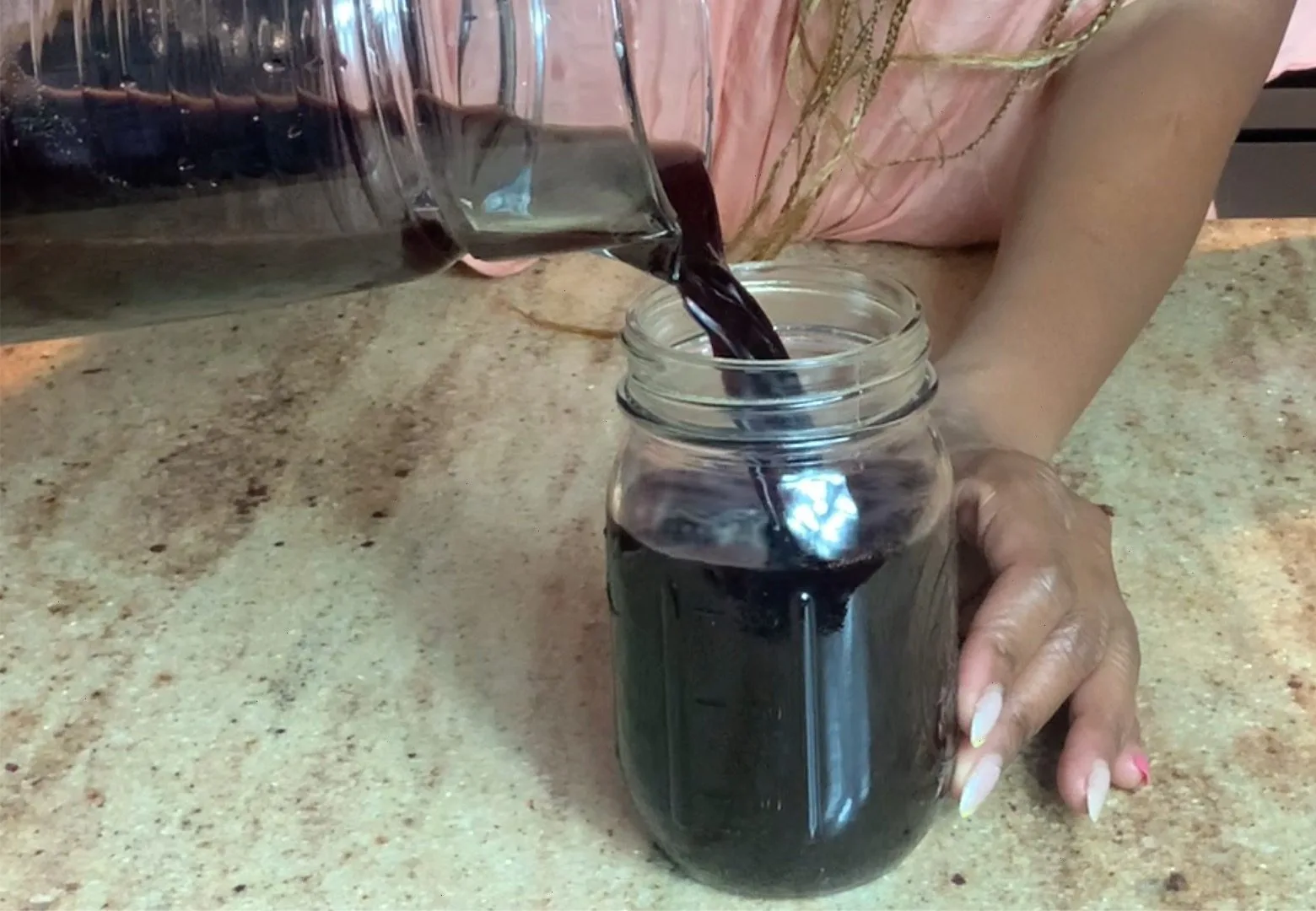
Elderberry has been used medicinally for centuries. Its flowers and berries can be made into a syrup, wine, or vinegar, and taken in shots or mixed into water, tea, or other beverages. Elderberry refers to the fruit of the elder tree, and when taken at the onset of symptoms, this powerhouse has been found to help reduce the duration of colds, the flu, allergies, sinus pain, inflammation, and digestive issues.
Vitamin A
Vitamin B6
Vitamin C
Iron
Phosphorus
Potassium & Calcium
Elderberries vs. vitamin C
Elderberry extract has been shown to treat colds as well as the flu — in fact, some research suggests it's more effective than vitamin C and zinc, thanks to its variety of antioxidant and anti-inflammatory compounds.
What it may do
- Reduce illness duration by up to 4 days
- Available in liquid syrup or capsule form
- Eliminate free radicals that damage DNA cells
How to enjoy it
- Syrup, taken in shots
- Steeped as a tea
- Mixed into water or juice
- Made into wine or vinegar
When taken at the onset of symptoms, elderberry has traditionally been used to help ease colds, the flu, allergies, sinus pain, inflammation, and digestive issues.
7 reasons to add elderberry to your routine
1. High in nutrients
Elderberries are rich in vitamins and minerals with a low calorie count, offering dietary fiber, antioxidants, and vitamin A, B6, and C.
2. Fights colds & flu
Extracts have been shown to reduce the severity and duration of the flu, ease sinus inflammation and pain, and reduce upper respiratory infection symptoms.
3. Boosts vision health
Elderberries' high vitamin A content may help support healthy eyes, given vitamin A's known role in vision health.
4. Allergy relief
Elderberry's anti-catarrhal compounds may help clear runny noses, congestion, sneezing, and itchy, watery eyes.
5. Gut health
Elderberries contain polyphenols, antioxidants that help combat cell damage and may support the immune system alongside a healthy gut.
6. Strong, healthy bones
Elderberries provide calcium, iron, and potassium — minerals that play a role in supporting healthy bones.
7. Heart health
Limited research suggests elderberry may offer some benefits for heart health as part of an overall healthy lifestyle.
3 ways elderberry may defend against viruses
Stimulates the immune system
Compounds in elderberry may help activate the body's natural immune response.
Interferes with viral entry
Studies suggest elderberry may make it harder for viruses to penetrate healthy cells.
Inhibits viral replication
Elderberry compounds may also slow a virus's ability to replicate once inside the body.
More on elderberry
Ready to try elderberry?
Make your own syrup at home with Dr. T's easy Elderberry Syrup recipe, or read up on elderberry gummies as a no-prep alternative.
Key Takeaways
- Elderberry has been used medicinally for centuries to help ease cold, flu, and allergy symptoms.
- One study found it may cut cold symptom duration and severity by over half.
- It's rich in vitamin A, B6, C, and minerals like iron, potassium, and calcium.
- Research suggests it may help the body fight viruses in three distinct ways.
Frequently asked questions
This article is for general educational purposes and isn't a substitute for personalized medical advice. If you're pregnant, nursing, or managing a health condition, please consult a healthcare professional before adding elderberry to your routine.